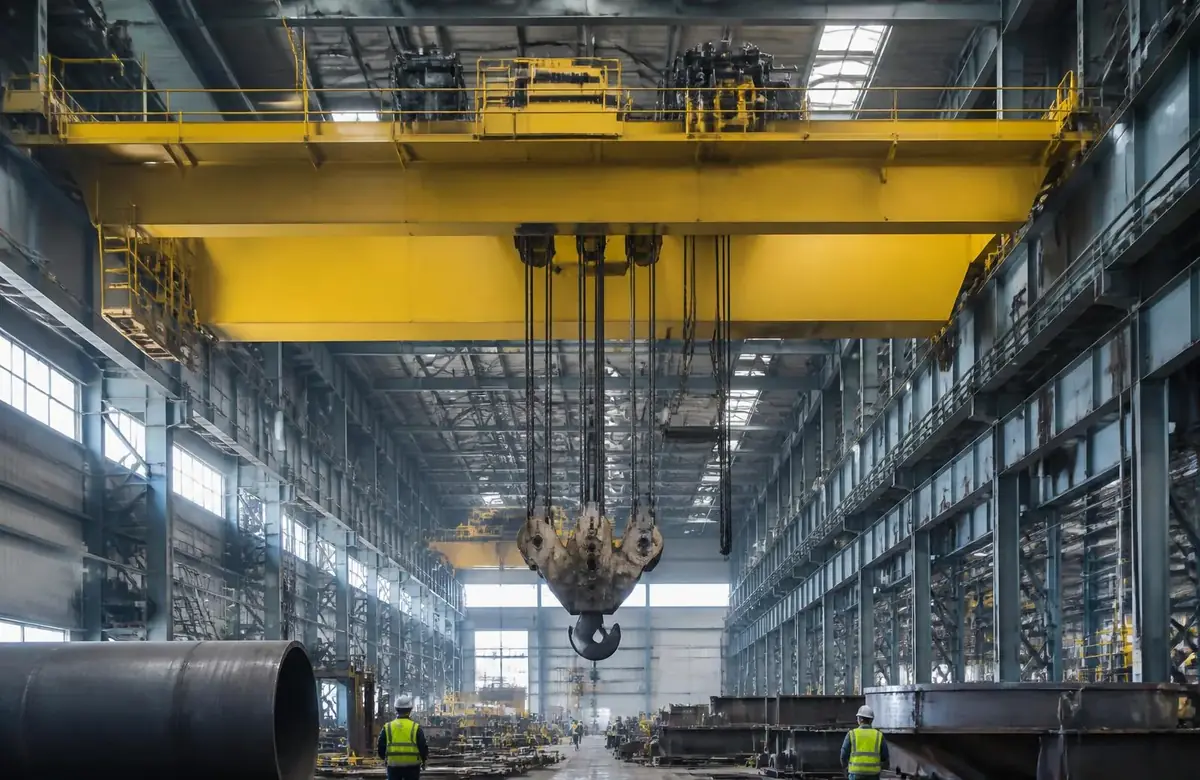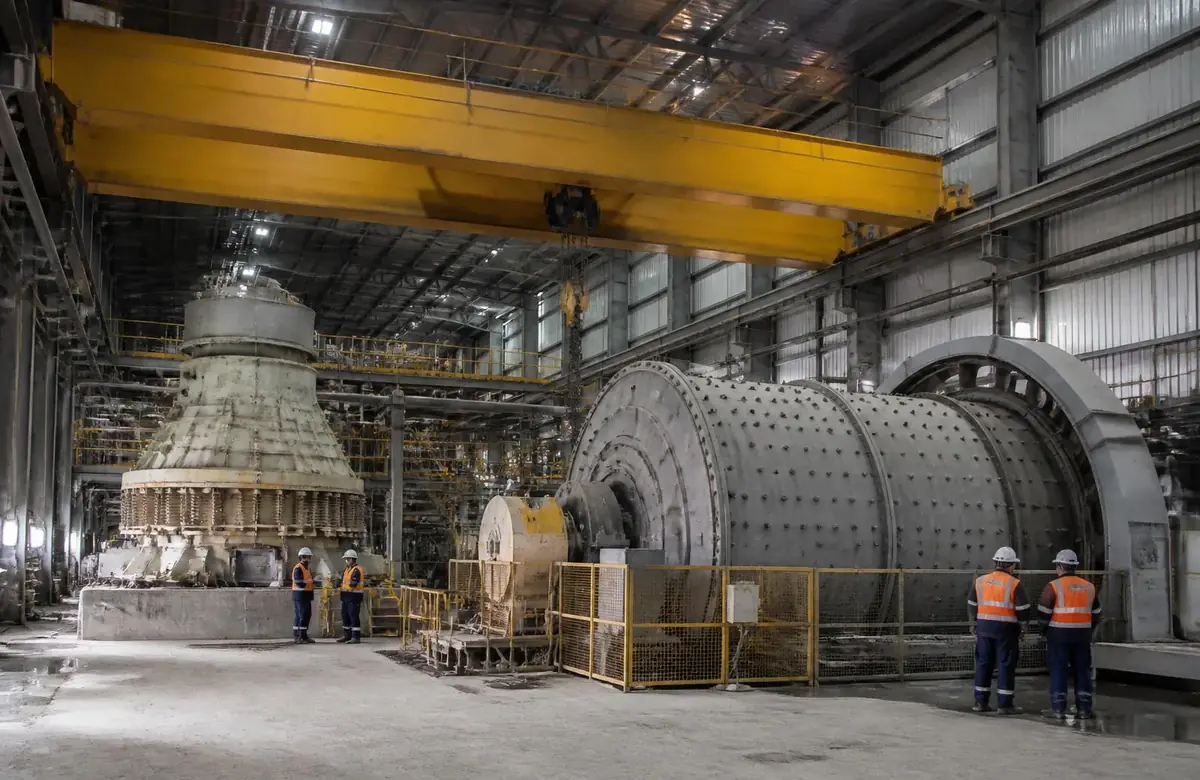
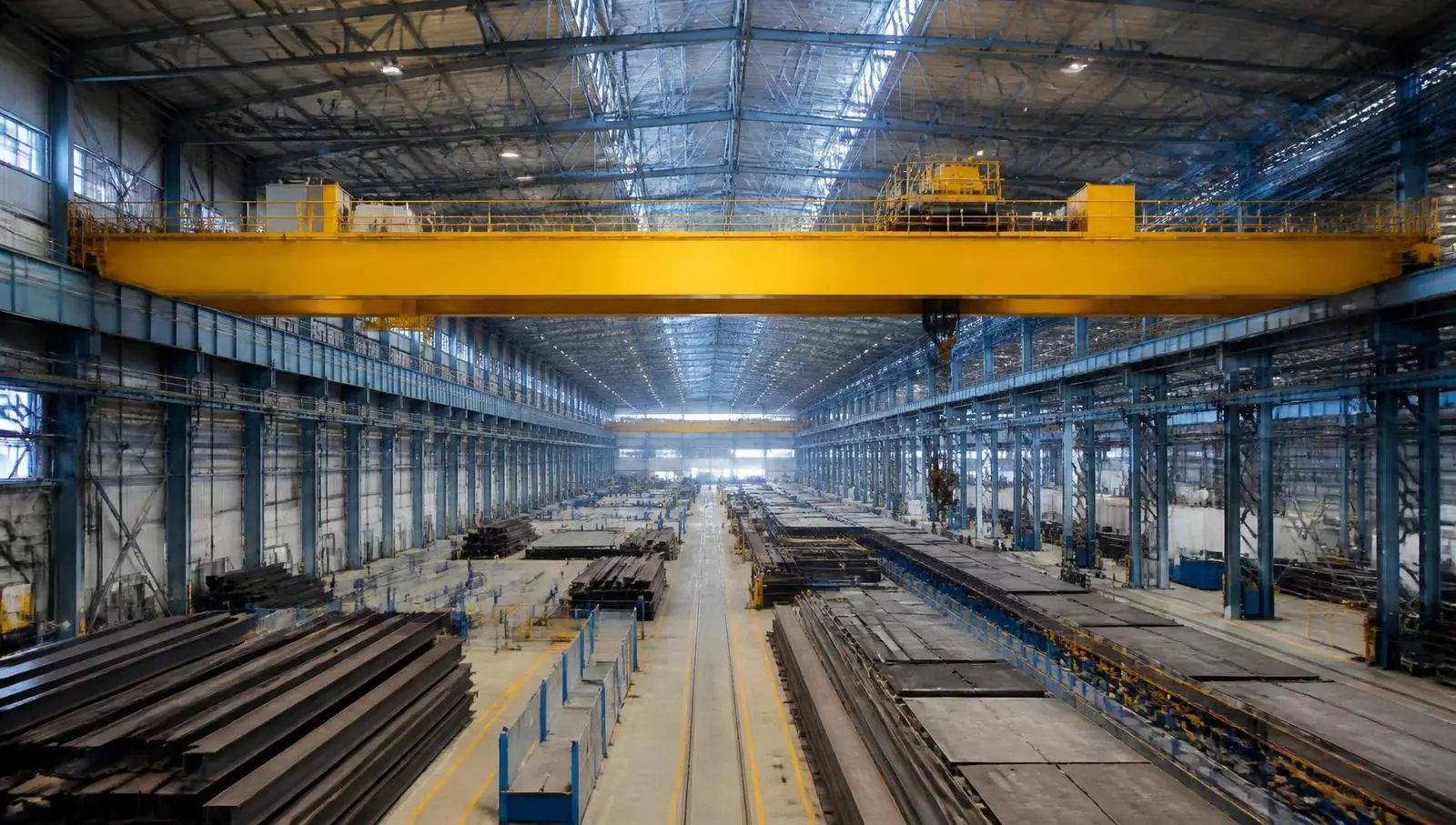
Large unbranded double-girder overhead bridge crane spanning a heavy-industrial fabrication hall

Hoists · Crane Components · Controls & Automation · Below-the-Hook

Your crane products, selling in Canada — without opening an office here.

Arvanta represents international manufacturers of hoists, overhead crane components, controls, automation, safety technology and below-the-hook equipment in the Canadian market: distributor development, technical sales support and a local presence that stays involved long after the first introduction.

  • Maximum five non-competing lines
  • Fixed fee plus commission
  • Written territory
  • Monthly market reporting

The opening

Canadian crane companies are actively looking for alternatives.

Canadian crane builders and service companies buy hoists, components, controls and below-the-hook equipment from a short list of global suppliers. They complain about the same three things: lead times, price escalation, and no flexibility on non-standard applications.

They are open to alternatives. But they will not import a hoist from a factory they can’t reach in their own working hours, with no answer on spare parts and no one local to call when a commissioning problem shows up on a Friday afternoon.

That gap — not price, not product quality — is what keeps good foreign crane products out of Canada. Arvanta closes it.

The market

A market you can actually cover.

Canada is smaller than the United States and considerably easier to enter. The channel is concentrated, the decision makers are reachable, and the entire national network of companies that build and service overhead cranes can be worked by one person who knows who they are.

That is the difference between a market you can genuinely develop and a market you can only advertise in.

110+
Overhead crane manufacturers and service companies across Canada
40+
Crane manufacturers and service companies in Alberta alone
8
Industrial sectors where overhead cranes are production-critical
5
Maximum product lines Arvanta represents at any time

Figures reflect Arvanta’s working map of the Canadian overhead crane industry.

See the Canadian crane industry map

VancouverEdmontonCalgarySaskatoonReginaWinnipegTorontoMontrealQuebec CityHalifax
Main industrial concentrations of overhead crane manufacturing and service activity in Canada.

The role

A Canadian commercial presence built around one product line at a time.

Entering Canada should not require a local office, a sales team, or five years spent earning the trust of the crane industry. Arvanta supplies the relationships, the technical capability and the day-to-day market work — and stays involved after the first introduction.

Distributor Development

Identify, qualify, recruit and support the Canadian distributors, crane manufacturers, service companies and integrators that will sell and install your products.

Demand Development

Create pull for your product with the people who write the specification: crane companies, consulting engineers, EPCs, contractors and industrial end users.

Technical Sales Support

Product selection, application review, quotations, RFQs and live project pursuits — handled by someone who has worked on the equipment.

Local Representation

Act as the Canadian liaison between your factory, the distributors, the customers and the project stakeholders, in Canadian working hours.

Competitive Positioning

Give Canadian buyers a clear, defensible reason to consider your product against the brands they already buy.

Market Intelligence

Report back what the market is actually saying about pricing, specifications, competitors and demand — including when the answer is unwelcome.

See how the engagement works

The difference

Most reps carry twenty lines. Arvanta carries five.

A manufacturer representative with a catalogue of twenty product lines gives each one a phone number and a listing. Arvanta takes a maximum of five non-competing lines, so each one gets active market development: named target accounts, scheduled distributor work, real project pursuit.

You deal with the person doing the work. Technical questions, quotations and market feedback come from one place — not from a coordinator relaying your answers to someone who has never seen the equipment.

  • Fifteen years inside the Canadian crane industry.

    Overhead crane service and manufacturing sales — on the equipment, in the plants, and with the people who specify and buy it.

  • Working relationships, not a purchased list.

    Direct contact with Canadian crane builders, service companies, distributors and industrial end users across Western and Central Canada.

  • Technical conversations without a translation layer.

    Hands-on background in hoists, crane components, controls and below-the-hook equipment. Your factory engineer and the Canadian buyer are talking through someone who understands both.

  • We recruit crane companies, not catalogue distributors.

    The Canadian companies that carry your line are crane manufacturers and crane service providers — businesses that already install, commission, inspect and repair overhead cranes. They sell the product, they put it in, and they stand behind it in their own market.

How the product moves

How your product reaches the Canadian market.

Arvanta represents the manufacturer. Canadian crane manufacturers, service companies, distributors and integrators are the channel to industrial end users.

  1. International product manufacturer
  2. Arvanta — Canadian commercial representation
  3. Canadian crane builders, service companies, distributors, integrators
  4. Industrial end users

Arvanta does not take title, does not import, and does not invoice your customers. You contract directly with the distributor or end user.

Market focus

Four product groups. Four different routes to market.

The route is built around how each product is specified, purchased, installed, commissioned and supported — not one template applied to every line.

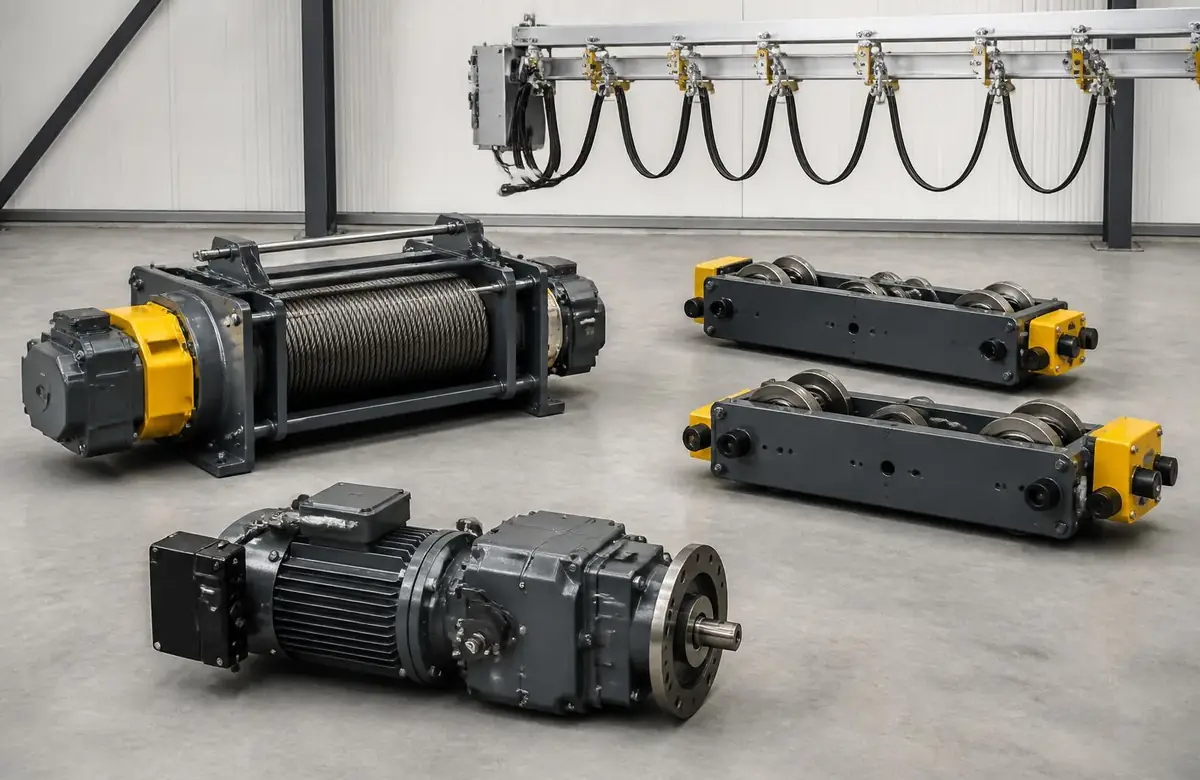
Wire-rope hoist, crane end trucks with wheel blocks, gearmotor and festoon system in a workshop

Hoists and Crane Components

Wire-rope and chain hoists, open-winch and custom units, crane kits, trolleys, end trucks, wheel blocks, gearboxes, electrification and modernization components. Capacities from 1 to 150+ tons.

Channel-driven: crane builders, crane service companies, hoist and industrial distributors.
Hoists and crane components

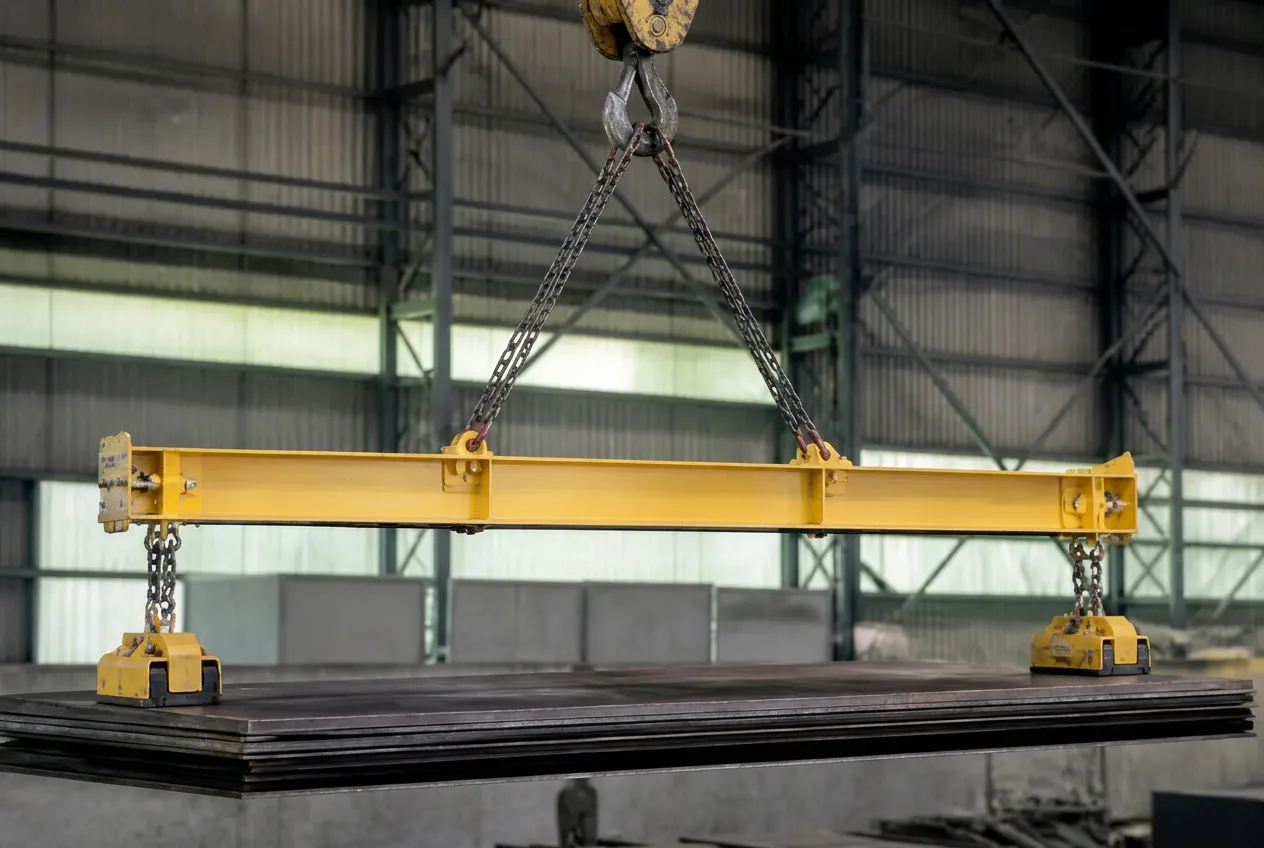
Engineered below-the-hook lifting beam suspended above a steel load

Below-the-Hook and Attachments

Lifting beams and spreaders, coil lifters, C-hooks, tongs, plate clamps, lifting magnets, vacuum lifters, grapples, buckets and engineered custom devices.

Application-driven: end users, crane companies and engineered-solution specification.

Below-the-hook and attachments

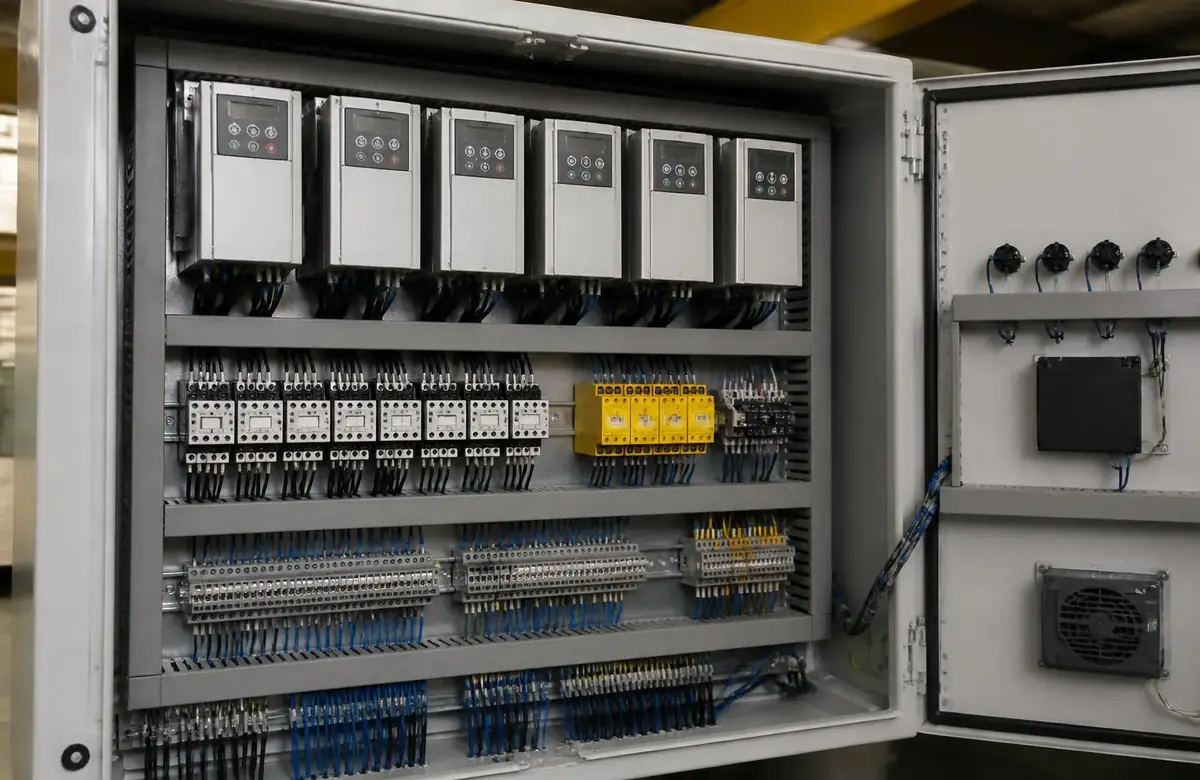
Variable-frequency drive and crane control panel inside an electrical enclosure

Controls, Automation and Safety Technology

Radio remote controls, pendant stations, VFD packages and control panels, positioning and anti-collision, load monitoring and overload protection, area scanners, access control, zoning and no-fly systems, condition monitoring, remote and automated crane operation.

Specification-driven: controls integrators, crane builders, consulting engineers, safety and reliability groups.

Controls, automation and safety

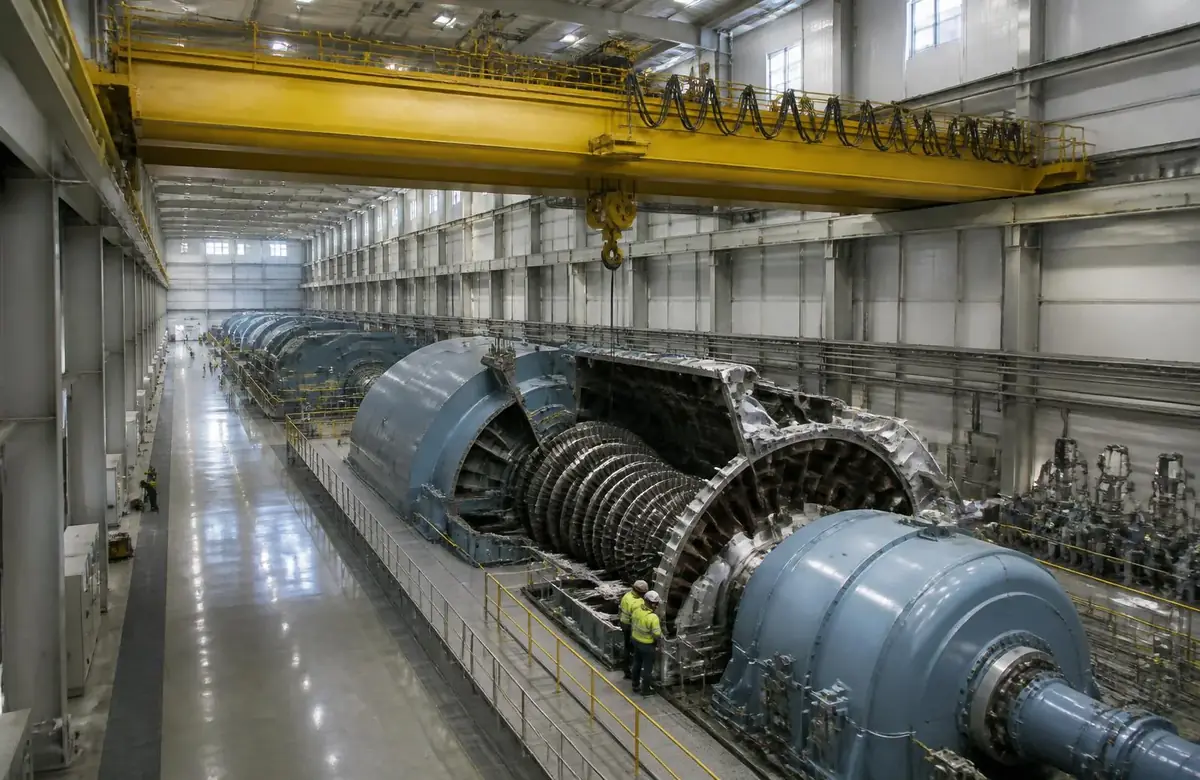
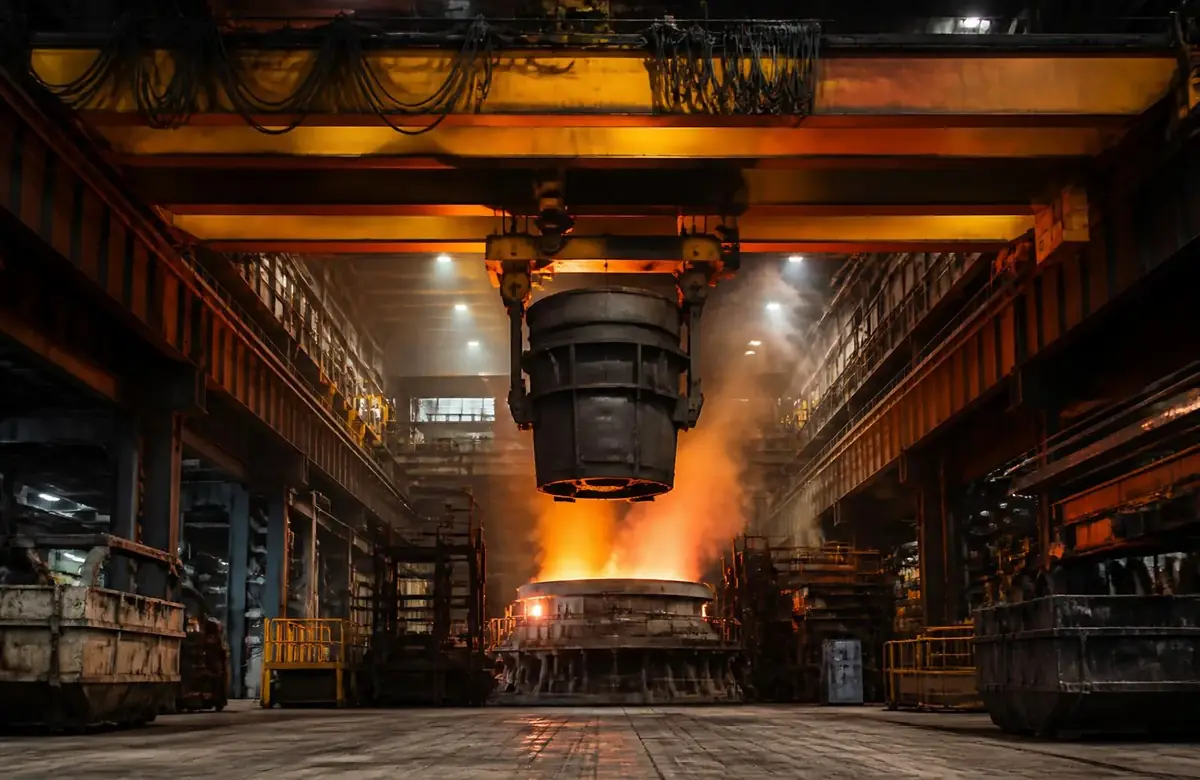
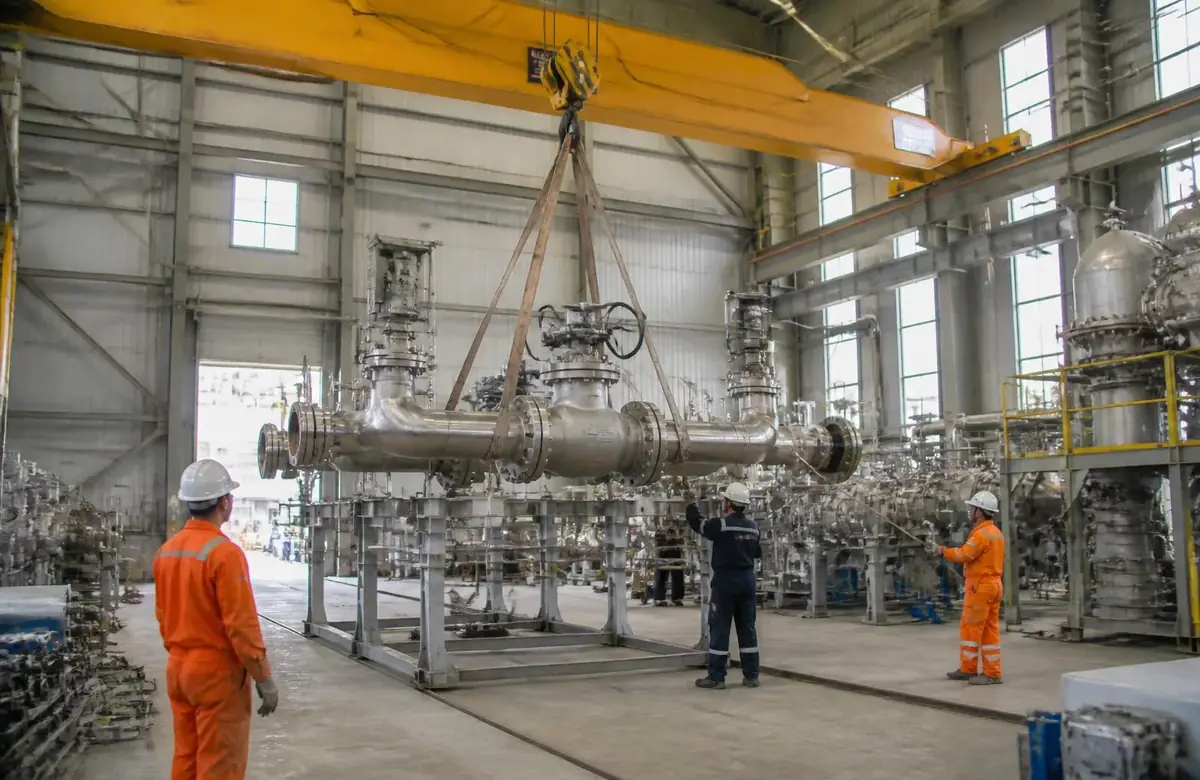
Large double-girder overhead process crane spanning a heavy-industrial fabrication hall

Heavy and Process Crane Applications

Bridge, gantry and process cranes in demanding duty classes — where represented components are specified into major capital projects.

Project-driven: industrial owners, EPC and EPCM firms, consulting engineers, installation and service partners.

Heavy and process crane applications

Recurring demand

The installed crane base is already a market.

You do not need to wait for new crane projects. Canadian crane companies replace, repair and modernize components every working day — replacement hoists, drives and VFDs, radio controls, electrification, obsolete-component substitutions, load monitoring, anti-collision retrofits and complete modernization packages.

For most manufacturers entering Canada, the aftermarket produces the first orders, the first references and the first real proof that the product works here.

Before the first order

What decides whether a product succeeds in Canada.

It is rarely price and rarely product quality. It is usually one of these:

  • Parts and lead time. Canadian crane builders will not hold a project waiting on a sixteen-week delivery. Stocking strategy is a commercial decision, not a logistics detail.

  • Service and commissioning. Who installs it, who commissions it, and who handles the warranty claim. Arvanta answers that by recruiting distributors who already do that work — Canadian crane manufacturers and service providers, not catalogue resellers.

  • Duty class expectations. Your factory classifies the product one way. Canadian buyers specify it another. Somebody has to make the two line up before a quotation is even comparable.

  • Documentation. Manuals, drawings, spare parts lists and operator interfaces in the form Canadian buyers and distributors expect, including French for Quebec.

  • Channel fit. The best hoist in the world sells nothing if it is offered to the wrong type of company. Crane builders, service companies and integrators each buy differently.

Arvanta works through all five before any channel work begins, so the first distributor conversation is a product conversation and not a list of unanswered questions.

How the engagement works

Coverage

Canada, developed as one national market.

Western Canada

Alberta, British Columbia, Saskatchewan and Manitoba. Energy, mining, forestry and heavy fabrication, supported from the Alberta base.

Central and Eastern Canada

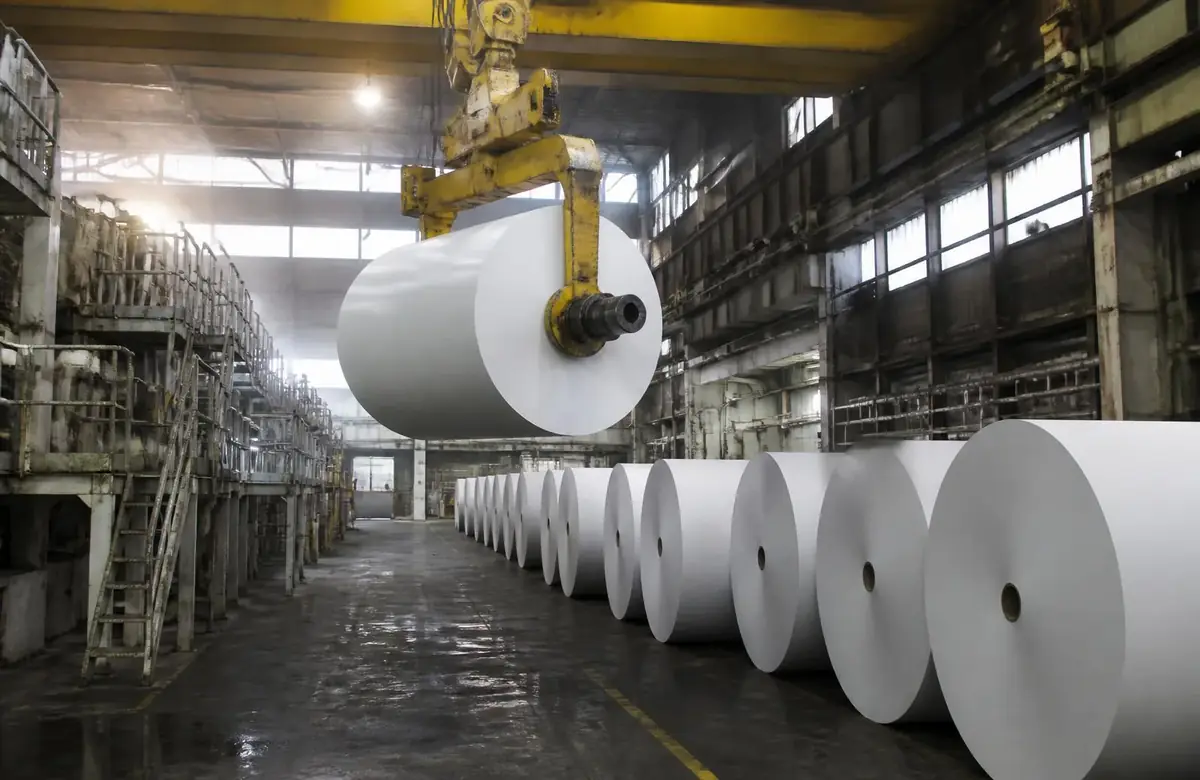
Ontario, Quebec and Atlantic Canada. Steel, automotive, pulp and paper, power generation, ports and industrial manufacturing.

Regions can be developed together or in a chosen order, depending on your product, existing coverage, product readiness and service requirements.

Selected United States territories can be added once the Canadian market is established. U.S. coverage is evaluated case by case and is never assumed at the start.

Availability

Founding representation partners.

Arvanta takes a deliberately small number of non-competing lines. Each product line receives active market development rather than a listing in a catalogue.

Territory exclusivity is available to founding partners and is negotiated individually. If your product category is already represented, you will be told in the first conversation.

Direct line

You deal with the person doing the work.

Bryan Whitty, Founder and Principal of Arvanta Industrial

Bryan Whitty

Founder and Principal

Bryan has spent fifteen years in overhead crane service and manufacturing sales — on the equipment, in the plants, and with the people who specify and buy it. That work built direct relationships with Canadian crane builders, service companies, distributors and industrial end users across Western and Central Canada.

He founded Arvanta to give international manufacturers of hoists, crane components, controls and below-the-hook equipment a credible local presence in Canada — one that understands the product well enough to sell it and the market well enough to tell the factory the truth about it.

Start with a market fit review, not a contract.

Send your product range and target capacities. You receive a written assessment: where the product fits in the Canadian channel, which types of company would sell and support it, what stands between the product and a first order, and an honest read on whether Canada is worth pursuing now.

No cost. No obligation. Confidential.

Discuss Representation